 an astronomer, etc.
Chemistry is a core science. "Science" and the "scientific
method" are formal terms for the system and process by which we seek to answer
questions about our universe and our place in it. Humans have always been curious about
their world. Out of all the animals, we alone were born with a brain that has
the capacity to ask how & why and then search for a suitable answer. Science enables us to study our natural
surroundings and acquire new knowledge within an organized system. New knowledge is
continually added to our current understandings of the universe. We update and refine our
knowledge to give us our "best story". However, the power of science does not
lie as much in its current knowledge base as in its continual development of greater
learning and understanding. Pause to think about all of the new knowledge that
has been gathered since 1900. You are surrounded by the results of our natural
curiosity. The machine you are looking at is the result of incredible human
thought and ingenuity. As we begin a new century, inquisitive people will
continue to ask questions and pursue there answers. Curiosity will always motivate new participants to ask
new questions. What kinds of questions are being asked by these inquisitive people will
determine whether they are considered a chemist, a biologist, a social scientist, a
computer scientist, an astronomer, etc.
The discipline of chemistry is a study of the material makeup of the universe. Chemists ask questions such as the following:
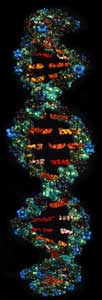
Everything around us (including us) is composed of the basic building blocks we call atoms. There are only about 100 atoms known to exist. However, these building blocks can arrange themselves into an amazing number of different combinations that we call molecules. There are thousands of known molecules and new ones are discovered on a regular basis. Everything that you can see (and can’t see) is composed of atoms and molecules. So the original question "What is Chemistry?" would be better stated as "What isn’t Chemistry?"
Consider a more specific example.....a spider. How does a spider spin a web? What is the web made of? What molecule makes it sticky? How can some spiders be poisonous? How do they create a toxin? What is that toxin made of? How does the toxic molecule act on other organisms? How can a small organism such as a spider create a molecule potent enough to harm a much larger organism such as yourself? To fully understand these questions one would eventually need to know what building blocks make up the compounds and how they are arranged......chemistry.
By studying chemistry and learning about the composition of our world, what can we understand about our environment and ourselves? How can we use this understanding to improve our lives? These are motivating questions for chemists. In viewing our world though an atomic lens, chemists make their own contributions to the pattern of discovery, knowledge, and change that has defined human history.